
Welcome to Ink and Spirits by NAIRA
Review a Book
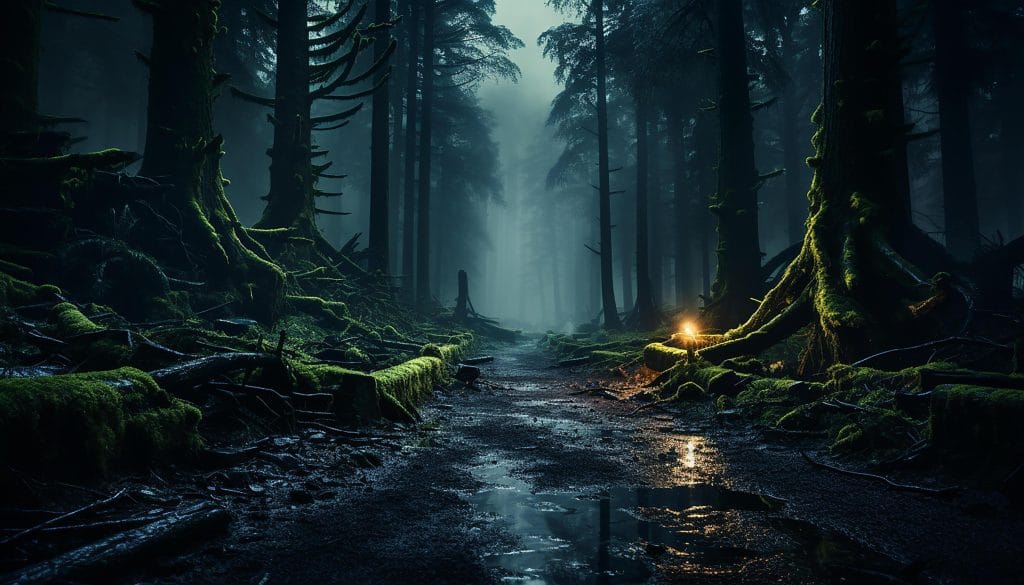
Stories rooted in cultural mystery, ancient beliefs, and the supernatural have an unusual power: they take us deep into the shadows, but they also illuminate the unseen forces that shape a community’s identity. That balance of fear and folklore lies at the heart of the Mist And Unappeased Spirits Novel, a haunting work inspired by one of Africa’s most enigmatic locations—the legendary Mount Nyangani Mystery.
Rather than relying purely on fantasy, this novel blends real folklore, whispered stories, historical accounts, and ancestral beliefs to create a world that feels both terrifying and undeniably authentic. Today, we explore how the author crafted such an immersive experience, using a behind-the-scenes, interview-style look at the creative process.
When asked about the book’s origins, the author often explains that it began with a single question:
“Why does Mount Nyangani hold such a powerful grip on the imagination of everyone who encounters it?”
Mount Nyangani, located in Zimbabwe’s Eastern Highlands, is known for its chilling reputation. Stories of mysterious vanishings, strange mists, and ancestral spirits have circulated for generations. The Mount Nyangani Mystery isn’t just a legend—it’s a living conversation in the community.
For the author, this mountain wasn’t just a setting; it was a character.
“I didn’t choose Mount Nyangani. It chose the story,” the author shares.
That eerie presence became the foundation of every chapter, shaping the mood, tension, and unfolding fear.
Rather than creating imagined myths, the author took time to listen to elders, cultural storytellers, and locals who had firsthand beliefs or experiences related to the mountain. This grounding in oral tradition allowed the novel to preserve the authenticity that readers instantly feel.
Elements such as:
ancestral spirits
the sacred mist
warnings about disrespecting the mountain
stories of travelers who disappear into thin air
…are all inspired by genuine folklore.
This gave the Mist And Unappeased Spirits Novel a texture rare in modern supernatural fiction: a deep connection to real cultural memory.
During the interview, the author emphasizes that the novel’s horror does not rely on blood, monsters, or shock value. Instead, the fear is psychological and atmospheric.
The author describes the process:
“The scariest stories are not the ones you see. They are the ones you feel breathing behind you.”
To craft subtle dread, the author used:
Scenes where the mist slowly moves closer, the forest becomes quiet, or a character senses something unseen.
Characters react in genuine ways—fear, confusion, denial—making the supernatural feel plausible.
The spirits are not portrayed as villains but as ancestral forces reacting to imbalance, disrespect, or forgotten traditions.
Through this style, readers remain on edge, pulled deeper into the Mount Nyangani Mystery without ever needing explicit horror.
The author explains that each major character represents a different emotional relationship with culture:
The skeptic who dismisses folklore
The believer who respects ancestral warnings
The outsider who becomes trapped between worlds
The elder who understands the truth but knows it cannot always be spoken
This diversity allows readers to see the mystery from multiple angles.
One interview moment stands out:
“I wanted readers to question what they believe about the unseen—and what their ancestors tried to teach them.”
The characters’ emotional arcs help ground the supernatural narrative, ensuring readers stay emotionally connected even when the mist becomes increasingly threatening.
To write with cultural integrity, the author spent months studying:
Shona and Manyika spiritual traditions
Local accounts of disappearances
Taboo behaviors associated with sacred areas
Folklore surrounding unappeased spirits
Historical interactions between colonial explorers and indigenous belief systems
The goal was never to exploit or sensationalize cultural beliefs but to preserve and represent them with precision.
The author notes:
“Folklore is not fantasy. It is cultural truth passed through generations.”
This mindset shaped the thematic core of the Mist And Unappeased Spirits Novel, allowing readers to experience the mountain’s mystique from within the culture it belongs to.
One of the most fascinating behind-the-scenes discussions revolves around the symbolism of the mist itself.
The author reveals:
“In our culture, mist hides what you are not yet ready to face.”
The mist represents:
unresolved ancestral grievances
forgotten rituals
disrespect toward sacred land
the tension between modern life and ancient belief
suppressed cultural identity
As characters confront the mist, they also confront their past, their fears, and their place in the world.
This emotional and symbolic depth is what elevates the story from a mystery to a deeply reflective novel.
The author deliberately avoided an overly neat or fully explained ending.
Because the Mount Nyangani Mystery is unsolved in real life, the novel honors that ambiguity.
“Mystery is powerful because it leaves space for belief.”
The ending ties together emotional arcs and ancestral themes, but it preserves the mountain’s enigma—inviting readers to carry the mystery with them long after the final page.
Despite being rooted in Zimbabwean folklore, the story touches universal emotions:
fear of the unknown
the pull of ancestral memory
the tension between skepticism and belief
respect for sacred spaces
curiosity about the supernatural
Readers connect with the Mist And Unappeased Spirits Novel because it blends cultural specificity with universal human fears.
The story behind how the author crafted this novel is as compelling as the book itself. By merging authentic folklore, emotional storytelling, and atmospheric mystery, the Mist And Unappeased Spirits Novel offers readers a rare kind of supernatural experience—one that feels both spiritual and terrifying, both ancient and timeless.
And at its center remains the haunting presence of the Mount Nyangani Mystery, a cultural riddle that inspires, intimidates, and silently observes anyone who dares to look into its mist.