
Have you ever heard a story that stayed with you long after it ended?
That is often how people first connect with Shona culture and traditions.
Picture this for a moment. The sun has gone down. A small fire is glowing. Children sit close. An elder begins to speak. It may sound like a simple story about a clever hare, a stubborn chief, or a mysterious spirit. But hidden inside that story is something bigger, history, wisdom, and identity.
This is the beauty of Zimbabwe traditional culture.
For the Shona people of Zimbabwe, culture is not something locked away in the past. It is alive. It lives in stories, in family customs, in symbols carved into stone, and in the deep belief that ancestors still guide the living.
If you came here looking for Shona heritage explained, you are in the right place. This blog will walk you through the heart of Shona life in a simple and meaningful way. We are not just sharing facts. We are helping you understand why these traditions still matter today.
The Shona are the largest ethnic group in Zimbabwe, and their traditions have shaped much of the country’s identity.
When people talk about Zimbabwe indigenous culture, they often begin with the Shona people.
But what makes Shona culture stand out is not only its age. It is the way it connects everyday life with deeper meaning.
In many Shona families, culture begins with respect.
Children are taught to greet properly. They learn to listen when elders speak. Family is never only about parents and children. It includes grandparents, relatives, ancestors, and the wider community.
That is one of the strongest parts of Shona culture and traditions, the idea that a person belongs to something bigger than themselves.
And that is why these traditions have survived for generations.
Before books became common, stories carried knowledge.
Among the most loved Shona storytelling traditions are evening folktales. These stories are often told by elders, and they do much more than entertain.
A clever rabbit may teach children not to be greedy.
A proud lion may show why power without wisdom can become dangerous.
A lost traveler may remind people to stay humble and patient.
This is how values were passed down from one generation to the next.
That is why storytelling matters so much in Shona culture and traditions. It teaches without feeling like teaching.
And even today, these stories still matter.
In a fast-moving world, stories help people slow down. They help children understand who they are. They help families remember where they come from.
That is the quiet strength of Shona storytelling traditions.
Sometimes culture speaks through stories.
Sometimes it speaks through symbols.
If you have seen Shona stone sculpture, pottery, or traditional patterns, you may have noticed that many shapes and images appear again and again.
These are not only decorations.
They carry meaning.
Understanding Shona symbols meaning helps us understand how the Shona see life.
For example:
One of Zimbabwe’s most famous symbols is the Zimbabwe Bird. It has become an important image of identity and heritage.
This is why Shona symbols meaning is so important. Symbols help preserve memory. They carry messages from the past into the present.
For many people exploring Shona heritage explained, symbols are one of the most powerful ways to connect with the culture.
Now let us move a little deeper.
To truly understand the Shona people, we also need to understand Shona spiritual beliefs.
In traditional belief, Mwari is known as the supreme creator.
But daily spiritual life is also closely connected to ancestors.
This is where many people begin to understand African spirituality Shona communities have practiced for generations.
The Shona believe that those who have passed away do not simply disappear. They remain connected to the family.
These ancestors are remembered, respected, and believed to guide the living.
This is often described as ancestral worship Zimbabwe is known for. But it is not about fear. It is about relationship, respect, and memory.
For many Shona families, ancestors are part of life’s journey. They are remembered during important moments. Their presence helps keep families connected to their roots.
That is why Shona spiritual beliefs remain such an important part of identity.
When people hear the word ritual, they often imagine something formal or distant.
But many Shona rituals and customs are part of ordinary life.
A greeting can be a custom.
Sharing food can be a custom.
Showing respect to elders is a custom.
These small acts may seem simple, but they carry meaning.
Then there are larger ceremonies connected to life’s important moments.
A new child is welcomed not only by parents but by the whole family. Names often carry meaning, memory, and hope.
Marriage in Shona culture and traditions is more than two people coming together. It is also the joining of families, histories, and communities.
During times of loss, rituals help families honor the person who has passed and keep the connection with ancestors alive.
These Shona rituals and customs help people stay grounded. They remind everyone that life is shared, not lived alone.
Another beautiful part of Zimbabwe traditional culture is the relationship with land.
For the Shona, land is not just land.
A mountain may hold memory.
A river may hold history.
A sacred place may hold spiritual meaning.
This connection is a deep part of Zimbabwe indigenous culture.
In many communities, nature is not seen as empty. It carries presence. It carries stories.
This is also part of African spirituality Shona traditions continue to preserve.
The natural world is not separate from spiritual life. It is part of it.
That is why certain places are respected. They are not only landscapes. They are part of cultural memory.
Some people think tradition belongs only to the past.
But Shona culture tells a different story.
Even in modern Zimbabwe, these traditions still shape daily life.
You can hear them in proverbs.
You can see them in art.
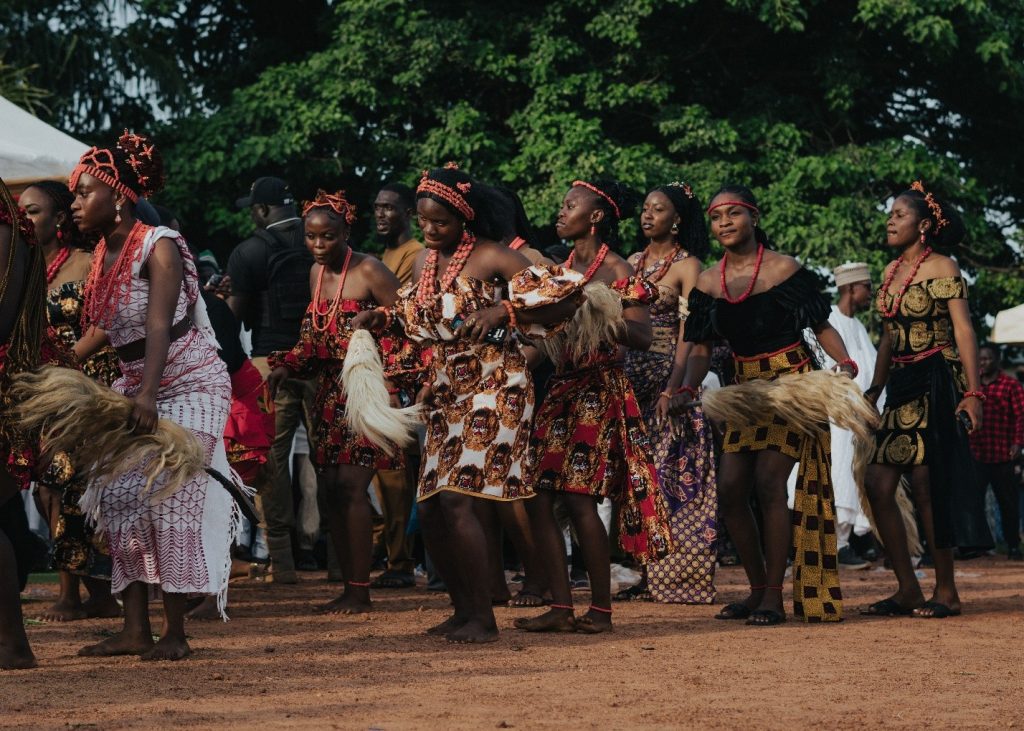
You can feel them in weddings, funerals, family gatherings, and community celebrations.
That is why Shona heritage explained is not only about history.
It is also about the present.
Young people today may live in cities. They may use phones, social media, and modern technology. But many still carry the values of respect, family, and belonging.
That is one reason African tribal traditions Zimbabwe is known for continue to matter.
They offer identity in a changing world.
They remind people of where they come from.
And sometimes, knowing where you come from helps you understand where you are going.
Let us return to that fireside.
An elder begins speaking.
Children listen.
A story starts.
At first, it sounds simple.
But inside that story are generations of memory, lessons about life, Shona spiritual beliefs, Shona symbols meaning, and the living heartbeat of Zimbabwe traditional culture.
That is what makes Shona culture and traditions so powerful.
They are not frozen in time.
They are living, growing, and still guiding people today.
So, if you came here looking to understand Shona storytelling traditions, ancestral worship Zimbabwe, or the deeper beauty of Zimbabwe indigenous culture, the answer is simple:
The Shona people teach us that culture is not only about the past.
It is about the stories we carry, the symbols we remember, and the spiritual roots that continue to shape who we are.
If Zimbabwean folklore and storytelling traditions interest you, explore more narrative reflections on our blog. Each piece explores culture, memory, and human experience through storytelling shaped by the lens of Destiny Motif.