
Finding Your Voice After Years of Emotional Control
Emotional control can feel like a cage with invisible bars. Unlike physical restraints, emotional control is subtle, insidious, and slow. It doesn’t leave bruises or scars that others can see

Emotional control can feel like a cage with invisible bars. Unlike physical restraints, emotional control is subtle, insidious, and slow. It doesn’t leave bruises or scars that others can see
Emotional abuse is a quiet terror. Unlike a bruise or a broken bone, its wounds are invisible — hidden beneath smiles, polite conversations, and histories rewritten to make sense of

Stories have always been a refuge for those who feel unheard. Long before therapy rooms and diagnostic language, people turned to narrative to make sense of pain, loss, and survival.
In storytelling, healing is often treated as an inevitable destination. Characters face adversity, endure suffering, and emerge transformed—stronger, wiser, redeemed. But real life doesn’t always follow this arc, and neither

In literature, settings do more than provide a backdrop for characters’ actions—they mirror the emotional landscapes of the people who inhabit them. Writers often use physical spaces to convey psychological
The conversation around abuse is often framed in simple terms—there is a victim and there is an abuser. One person hurts, and the other person inflicts the hurt. This dichotomy
When most people think of abuse, the first image that comes to mind is often physical harm—bruises, cuts, or visible injuries that can be seen, documented, and proven. But emotional
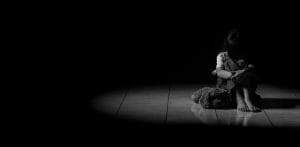
Some wounds bleed silently.Some scars never show.And some battles happen entirely inside a mind that learned—too early—that survival meant staying quiet. Psychological trauma is one of the most misunderstood forms

Stories rooted in cultural mystery, ancient beliefs, and the supernatural have an unusual power: they take us deep into the shadows, but they also illuminate the unseen forces that shape
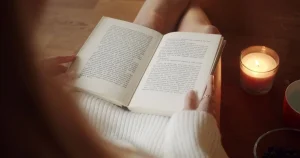
Literature has always been a refuge—a place where truth hides behind characters, where pain finds language, and where healing begins with a single sentence. For many readers, especially those who