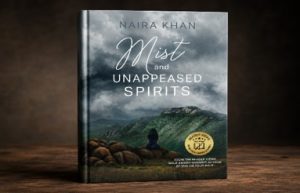
Review A Book
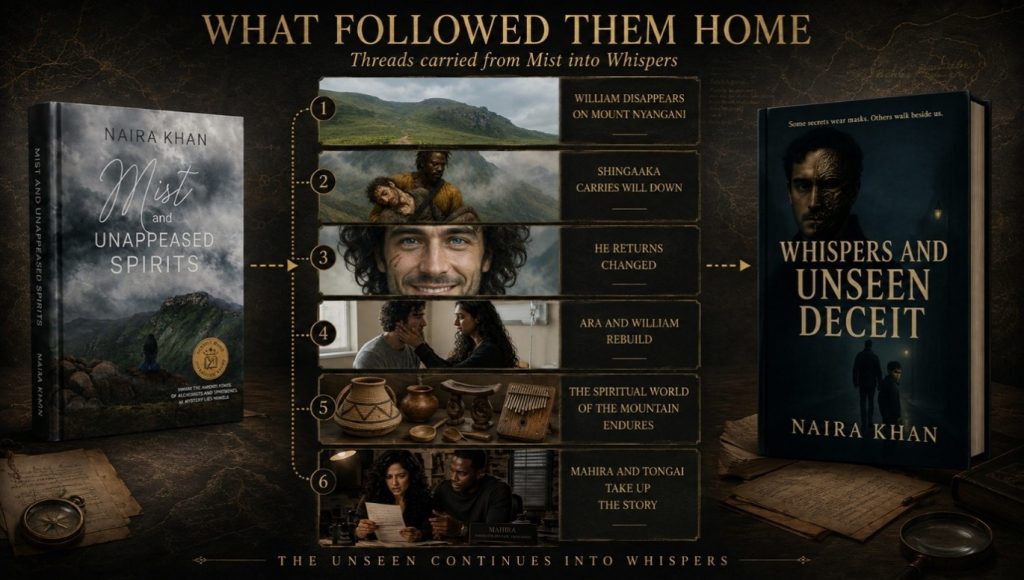
Whispers and Unseen Deceit grew out of the world of Mist and Unappeased Spirits.
Many of the characters return. Ara and William are now married; Mahira Murad remains firmly embedded in their lives, and the mysteries surrounding Mount
Nyangani has not disappeared simply because William came home.

In Mist, the mountain was a place of disappearance, folklore, spiritual belief, and unanswered questions. They lost William there and eventually carried him down alive, but his return did not entirely sever his connection to what happened on Nyangani. Those threads remain quietly present in Whispers, alongside the local beliefs, ancestral traditions, and unseen forces that shaped the earlier novel.
But this time, the mystery begins somewhere very different.
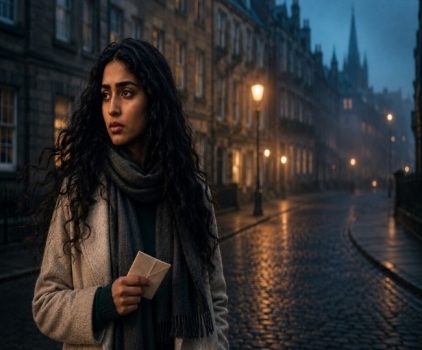
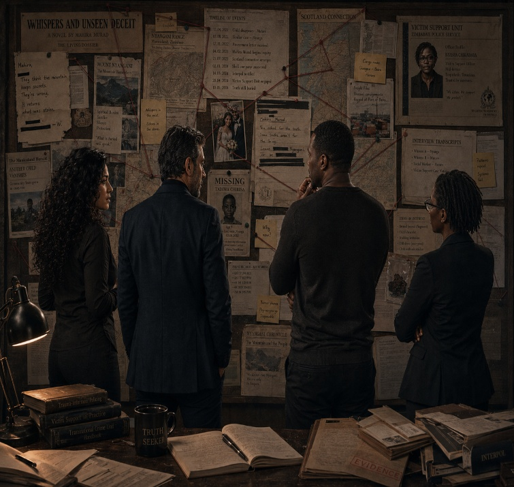
At Ara and William’s wedding in Scotland, investigative journalist Mahira Murad receives an anonymous message from a frightened woman. She believes her husband is involved in the exploitation of vulnerable boys and is too afraid to approach the police. Instead, she turns to Mahira, trusting her reputation for pursuing truths others would rather leave undisturbed.
What begins with one warning develops into an investigation spanning families, institutions, and borders.
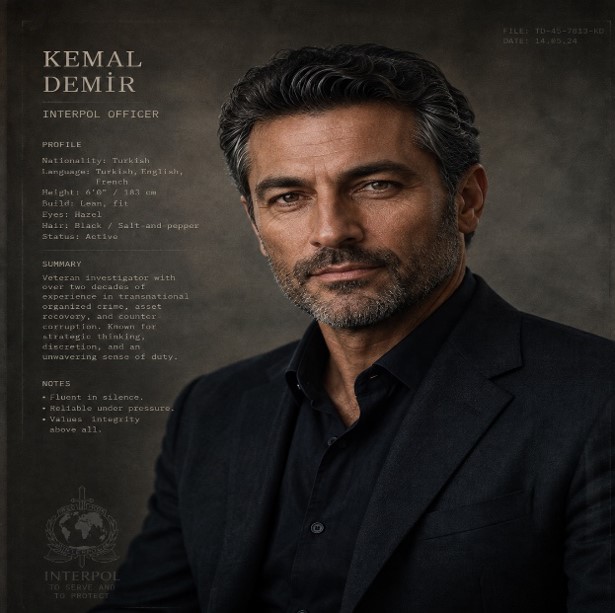
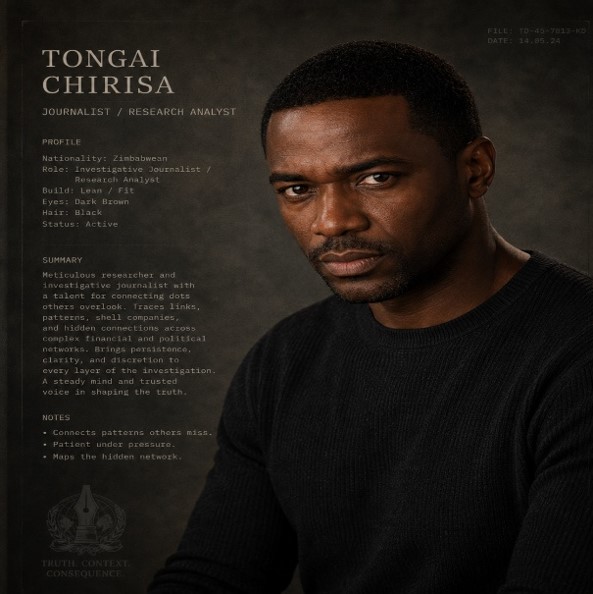
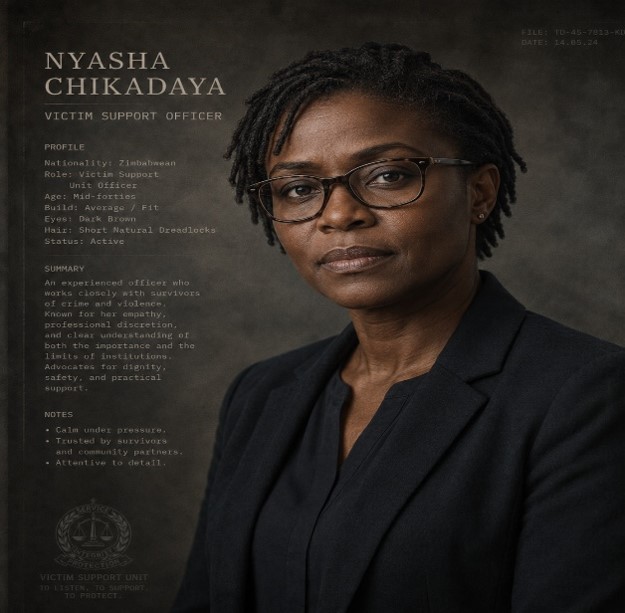
Working with journalist Tongai Chirisa, Victim Support officer Nyasha Chikadaya and Interpol officer Kemal Demir, Mahira uncovers connections between apparently respectable men, vulnerable children, hidden identities and a network whose reach extends far beyond Zimbabwe.
Witnesses are frightened. Evidence disappears. Someone endangers, silences, or threatens those who speak.
And as Mahira moves closer to the truth, the investigation reaches into her own life.
Whispers and Unseen Deceit is a story about what happens when silence protects the powerful, what it costs to speak, and the people who choose to keep listening when others have learned to look away.
You can read it independently, but for those who read Mist and Unappeased Spirits, familiar people, places, and unresolved threads lie beneath the surface.
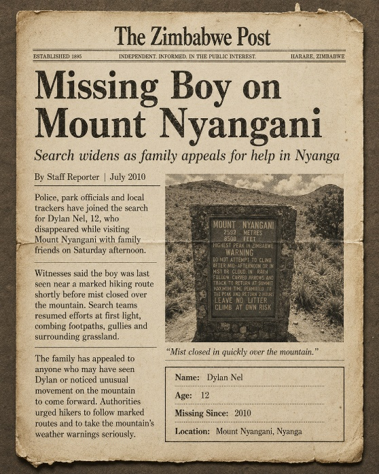
The Zimbabwe Post is Mahira Murad and Tongai Chirisa’s professional base, and the newsroom from which much of the investigation in Whispers and Unseen Deceit begins.
Mahira and Tongai have worked together for almost a decade, developing the shorthand that comes from years of pursuing tough stories side by side. Mahira brings instinct, persistence, and an ability to win the trust of people who are afraid to speak. Tongai brings method, patience, and an eye for patterns, connections, and inconsistencies.
The newspaper has the widest distribution in Zimbabwe, giving its investigations considerable reach and influence. That visibility also carries risks. Stories involving powerful people do not remain confined to the newsroom for long.
In Whispers, The Zimbabwe Post is more than a workplace. In Whispers, The Zimbabwe Post is more than a workplace. It is where they form fragments into a pattern, assess sources, question evidence, and turn the first anonymous warning into an investigation.
The Victim Support Unit is one institution closest to the human cost of the investigation in Whispers and Unseen Deceit.
Nyasha Chikadaya works at the point where fear, disclosure, and formal procedure meet. She acknowledges the challenges victims and families encounter when they speak out, particularly since those they fear may hold positions of respect or connection or receive protection from the very systems intended to assist them.
Her experience has also made her careful.
Nyasha knows that access to information does not automatically mean access to people she can trust. She is clear-eyed about the weaknesses within headquarters and does not assume that sensitive evidence is safe simply because it has entered official channels.
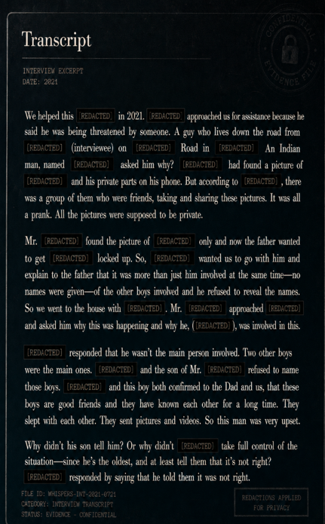
When Majid’s flash drive comes into her possession, she chooses not to pass it casually through the system. Instead, she positions it into Kemal Demir’s hands.
That decision captures her role in the novel: compassionate, practical, institutionally experienced, and never naïve about where danger may be hiding.
Interpol enters the investigation through Kemal Demir, who is not based in Zimbabwe.
The London office has seconded him to deliver specialist training on child exploitation networks, bringing with him experience of investigations that cross borders, identities and jurisdictions.
His presence becomes increasingly important as the case expands beyond a local investigation. International connections, digital evidence, cross-border movements, and discernible patterns emerge as the case expands beyond its initial scope within Zimbabwe, proving incomprehensible to a singular police system.
Kemal’s role is therefore both practical and strategic. He brings an international perspective, but he also becomes someone Nyasha is prepared to trust with evidence she does not want to move casually through official channels.
When Majid’s flash drive reaches him, it marks a shift in the investigation: the case is no longer contained within one institution, one city or one country.
Social services enter the story through Petronella Moyo, an experienced social worker who has spent years working with vulnerable children and families.
Like Nyasha, Petronella understands both the importance of formal systems and their limits.
When she first investigates concerns around the boys, she expects cooperation from the surrounding institutions. Instead, she encounters resistance. Harassers severely bother her; they hinder her efforts, and the police offer far less cooperation than the situation requires.
The experience changed the way she worked.
Petronella becomes careful about what she shares, whom she approaches, and how much she assumes official channels will protect either the children or the people trying to help them.
Her role in Whispers and Unseen Deceit reflects one of the novel’s central tensions: institutions may exist to safeguard the vulnerable, but their effectiveness ultimately depends on the people within them being willing to act.
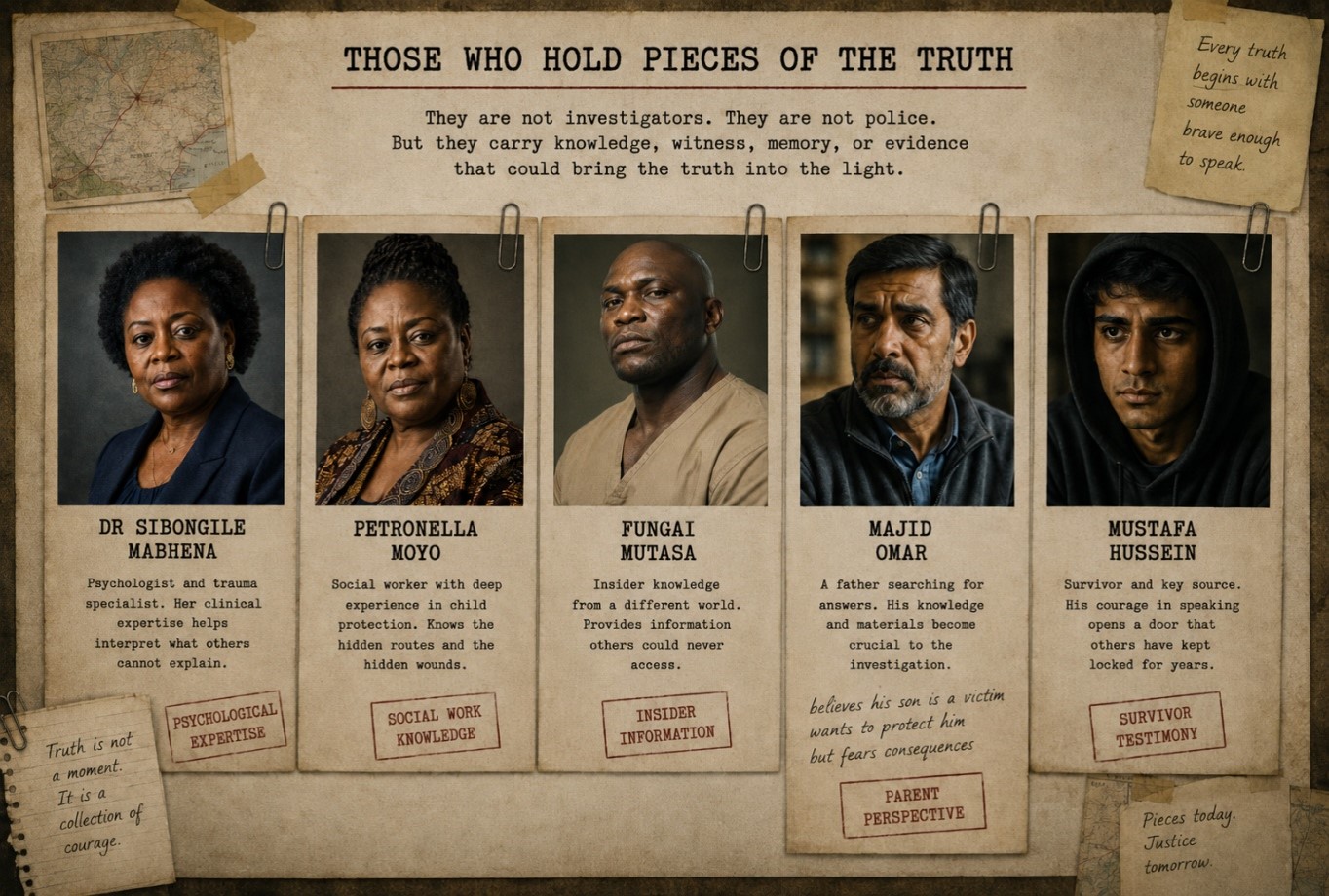
Dr Sibongile Mabhena
A psychologist with expert understanding and interpretation of those who offend against children.
Petronella Moyo
The social worker whose position gives her access to children, families, and the gap between official protection and lived reality.
Fungai Mutasa
A convicted sex offender who provided information from inside a very different world.
Majid Omar
A parent whose material and knowledge became crucial to the investigation.
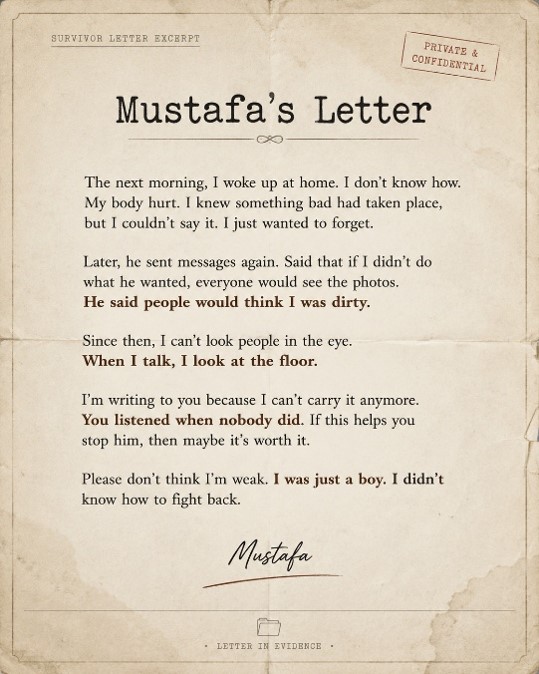
Mustafa Hussein
A survivor/source whose testimony gives Mahira access to what others only suspect.
William and Ara survive the aftermath of Mist, including his rehabilitation and substance use, and eventually marry.
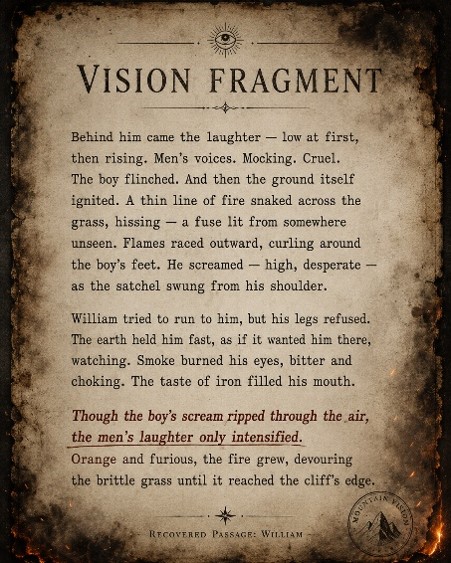
But what happened on Mount Nyangani does not end when William comes home. His visions become more frequent and harder to explain, carrying with them a growing sense of spiritual responsibility and the burden of something inherited from the ancestors.
Then, at Ara and William’s wedding, another thread begins.
Mahira receives the first anonymous note.
What follows is no longer only about what the mountain revealed, but about what people have worked very hard to keep hidden.
THE MOUNTAIN ARCHIVE
Mount Nyangani: Landscape, Belief and Memory
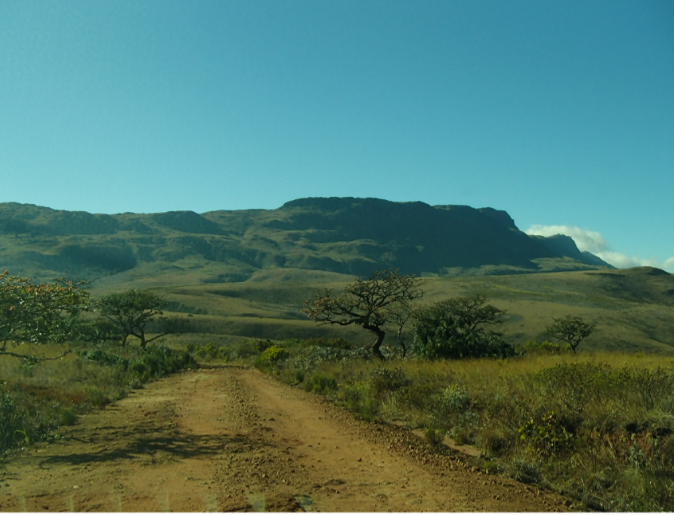
Mount Nyangani is more than a setting in Mist and Unappeased Spirits and Whispers and Unseen Deceit.
It is a place shaped by landscape, memory, folklore, and belief. The mountain’s surroundings have long included stories of disappearances, ancestral presence, spiritual guardianship, and the unseen, which creates a space where experience, rather than explanation, often defines the boundaries.
From the Archive
The Mountain Archive brings together the real Mount Nyangani, local beliefs and folklore, notes gathered during the writing process, and visual references to the spiritual traditions that informed the novels.
The transformation of certain fragments into scenes occurred.
Some became questions.
A few remained with the narrative.
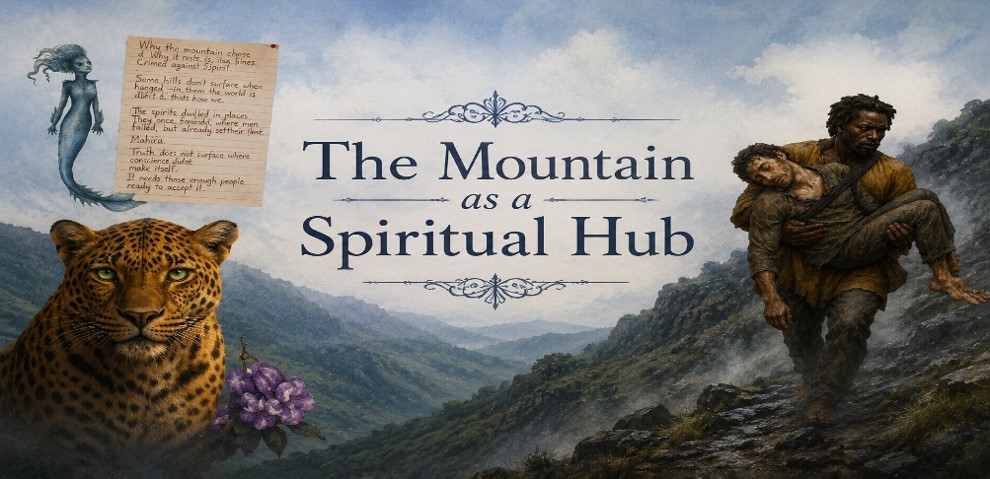
In Mist and Unappeased Spirits, Mount Nyangani exists in two worlds at once. It is a physical landscape of mist, cliffs, rivers and difficult terrain, but local communities also understood it as a sacred place inhabited by ancestral spirits and other unseen beings.
Hidden caves, sacred sites, and places associated with ancestors form part of that belief system. The mountain therefore becomes a space where the visible and invisible overlap, and where experiences that appear inexplicable through ordinary evidence may carry a different meaning within local tradition.
Appeasement and Spiritual Responsibility
Locals do not solely understand William’s disappearance as a rescue operation. Within the local belief system, entering sacred places or breaking the rules of the mountain may disturb its spirits, and restoring balance requires the involvement of chiefs, elders, and spiritual practitioners.
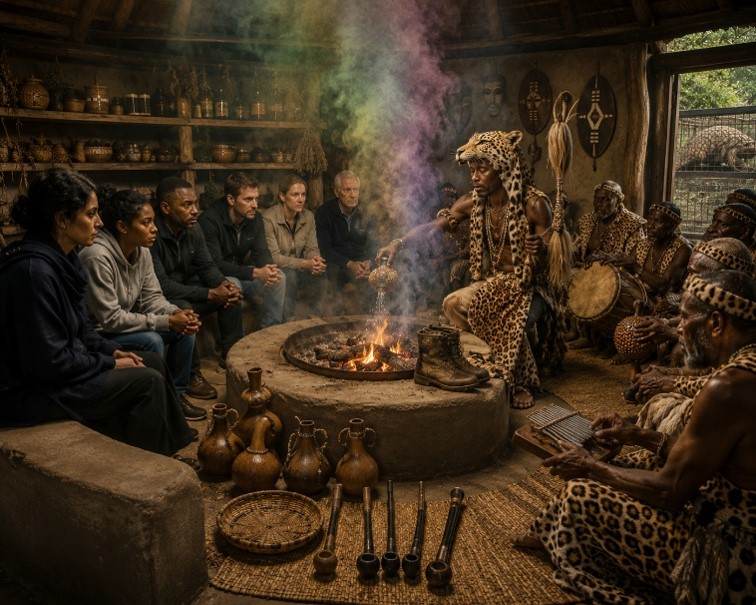
The appeasement ceremony in Mist brings these beliefs directly into the story. William’s muddy hiking boot enters the ritual, while prayer, song, mbira, hosho, fire, and offerings become part of an appeal for his safe return.
William eventually leaves Mount Nyangani, but the sense of spiritual responsibility does not leave him. That burden follows him into Whispers.
Artifacts, Folklore and Working Notes
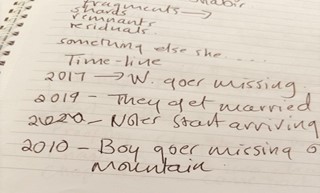
The Mountain Archive also contains the fragments behind the fiction: handwritten notes, research questions, folklore, symbols, and visual references gathered while Mist and later Whispers were taking shape.
Some found their way directly into the novels: the green-eyed leopard, mermaids, ancestral spirits, the mbira and hosho, herbs, gourds, masks, and other objects surrounding the appeasement ceremony. Others remained simply as possibilities scribbled into notebooks while the world of the mountain was still being built.
Together they show something a finished novel normally conceals: the trail of ideas, questions, and half-formed connections from which a story eventually emerges.
Why did the Mountain choose William?
Long before the story concluded, questions had already gathered in the margins.
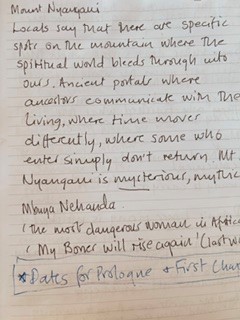
Defining the Mountain
The mountain is gaining its spiritual identity.
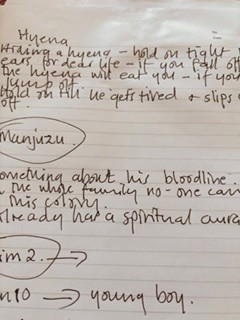
Folklore Enters the Story
A working page where folklore, bloodlines, and explanations were still being tested.
FRAGMENTS FROM THE NOVEL
Who is she?
THE DOSSIER CONTINUES…..
Publishing Progress
The author has submitted Whispers and Unseen Deceit to several publishers and imprints in the UK and internationally. With further submissions and conversations still ahead, the process is ongoing.
As they refine the story, its research, and its visual world, the manuscript continues to develop.
Stay Close to the Story
If you would like to follow the journey of Whispers and Unseen Deceit, receive updates from the writing desk, and see new material as the dossier grows, you can join the mailing list below.
Subscribers also receive Andre’s Story as a complimentary read.