
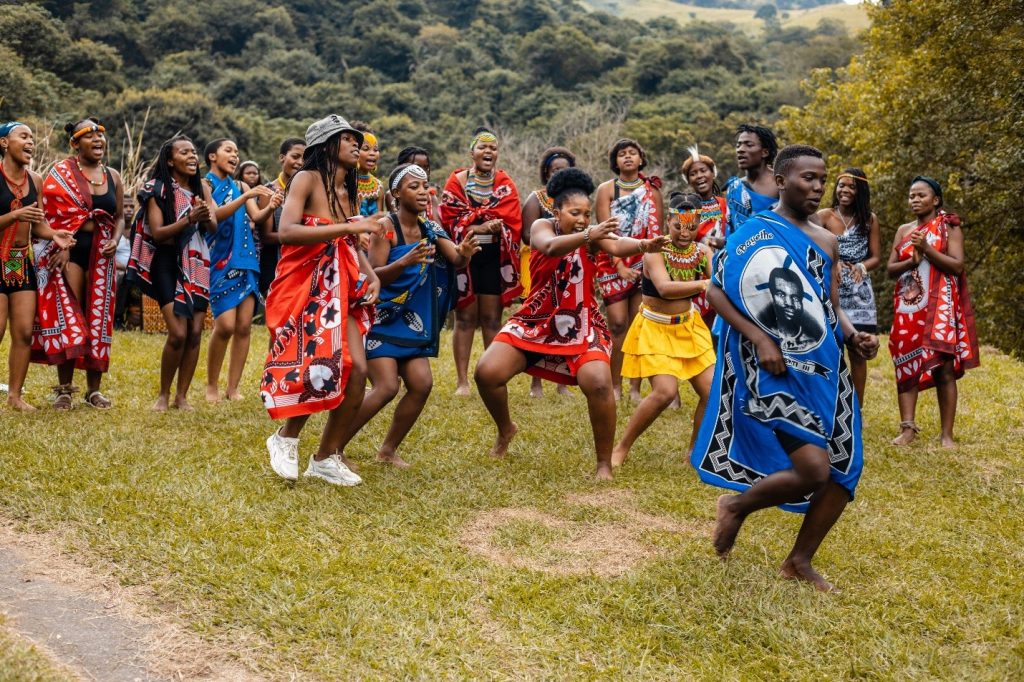
Some stories stay with you long after they end.
Not because they are dramatic, but because they feel real. They carry a lesson, a warning, or a small truth that suddenly makes sense later.
That is the magic of Zimbabwean Folklore Stories.
In Zimbabwe, storytelling has always been more than entertainment. Around evening fires, elders passed down history, values, and identity through stories that connected one generation to the next.
In this blog, we will explore the rich world of Zimbabwe Myths and Legends, the beauty of African Storytelling Traditions, and why these timeless stories still matter today. Think of it as sitting beside a wise elder hearing the words, “Let me tell you a story.”
In many parts of Zimbabwe, storytelling has always been part of everyday life.
After a long day, families would gather in the evening as elders shared stories, tales of clever animals, brave heroes, spirits, ancestors, and mysterious places. These stories were not just for entertainment; they carried important life lessons.
This is the heart of Oral Storytelling Zimbabwe.
Nothing was written down. Everything was spoken, remembered, and passed from one generation to the next. In this way, stories became a powerful tool for preserving culture and teaching values like respect, responsibility, and community care.
Across the continent, this is a key part of African Storytelling Traditions, where stories act as a living bridge between the past and the present.
One of the most beautiful things about is how simple they seem at first.
A child may hear a tale about a rabbit and a lion and think it is only fun. But hidden inside that tale is often a deeper meaning.
Many stories use animals because they help explain human behavior in a simple way. A clever hare may represent intelligence. A greedy hyena may show selfishness. A proud lion may symbolize power.
This style is also common in Traditional African Folktales.
A story may sound light and playful, but by the end it leaves a lesson behind. That lesson might be about honesty, patience, bravery, kindness, or respect.
That is why these stories remain powerful. They speak to both children and adults at the same time.
When people hear Zimbabwe Myths and Legends, they may think of something distant or unreal, but in Zimbabwe these stories carry deep cultural meaning.
Many explain how mountains, rivers, caves, and sacred places were formed. Others speak of ancestral spirits protecting families, or legends of kings, warriors, and mysterious beings tied to spiritual power.
These stories are not just for entertainment. They reflect beliefs about life, death, nature, and the unseen world.
That is why Zimbabwe Legends and Myths still matter today. They help communities stay connected to their roots, land, and ancestry, while keeping a sense of respect, memory, and wonder alive.
There is something special about hearing a story spoken aloud.
The voice changes. The pauses matter. The expressions, rhythm, and emotion bring the story to life.
That is what makes Oral Storytelling Zimbabwe so powerful.
A written story can inform you. A spoken story can move you.
In traditional storytelling, the storyteller was more than just a speaker. They were a guide. They knew when to make people laugh, when to create suspense, and when to slow down so a lesson could sink in.
Children did not simply listen. They joined in. They repeated phrases. They answered questions. Sometimes they even acted out parts of the story.
This made storytelling alive, shared, and unforgettable.
And this is one reason Storytelling Traditions Africa remain so respected. Storytelling was never passive. It was a shared human experience.
One of the most interesting things about African Cultural Stories is how closely they connect with everyday life.
They talk about family, farming, animals, seasons, friendship, honesty, jealousy, courage, and community, real experiences people understand easily.
That’s why they feel so familiar.
In Zimbabwe, these stories also remind people that life is not just about the individual, but about living together with respect, care, and responsibility for others.
This is a key part of Folklore in African Culture. It teaches that actions have consequences, pride can lead to failure, greed can bring loss, and kindness often returns as a blessing.
If you spend time listening to Zimbabwe Legends and Myths, you start noticing some themes appear again and again.
In many tales, the clever character wins over the powerful one. This teaches people that intelligence, patience, and careful thinking often matter more than force.
Many stories remind listeners that elders carry wisdom. Ancestral guidance is also an important part of many traditional beliefs.
Mountains, forests, rivers, and caves are often more than physical places. In many stories, they carry spiritual meaning.
A person is rarely seen as separate from others. Stories often teach that life works best when people live with care, respect, and cooperation.
These themes help explain why Zimbabwe Cultural Narratives are still meaningful. They speak about values that continue to matter today.
Some people think folklore belongs only to the past, but that is not true.
Even today, Folklore in African Culture shape’s identity. It appears in schools, books, music, films, theatre, and everyday family conversations. Parents still tell stories, and artists still draw inspiration from old legends.
In Zimbabwe, storytelling continues to keep culture alive.
In a fast-moving world where attention fades quickly, stories slow us down. They help us listen, reflect, and remember where we come from.
That is why Storytelling Traditions Africa still matter; they preserve memory in a way facts alone cannot.
Even if you did not grow up hearing these stories, there is still a lot to learn from them.
Zimbabwean Folklore Stories remind us that human nature has not changed much. People still struggle with pride, fear, greed, kindness, courage, and hope.
These stories also remind us of something simple but important: wisdom does not always come from books.
Sometimes wisdom comes from listening.
Modern readers can learn that stories are not only entertainment. They are maps of human experience. They help us understand how earlier generations solved problems, built communities, and passed values forward.
That is why Traditional African Folktales still feel relevant. Even centuries later, the lessons still speak clearly.
At its core, Zimbabwe Cultural Narratives are about connection.
Connection between past and present.
Connection between people and place.
Connection between memory and identity.
That is why these stories continue to live.
They live in homes. They live in communities. They live in voices. And they live in every listener who carries the lesson forward.
When you explore African Cultural Stories, you are not only reading old traditions. You are stepping into a way of seeing the world, one that values wisdom, belonging, respect, and memory.
The beauty of Zimbabwean Folklore and Storytelling Traditions is not only found in the stories themselves. It is found in what those stories continue to do.
They teach. They connect. They preserve. They guide.
From Zimbabwe Myths and Legends to Oral Storytelling Zimbabwe, these traditions remind us that stories are more than words. They carry culture, values, and identity across time.
And maybe that is why they still feel so powerful.
Because even today, in a world full of noise, a good story still feels like home.
If Zimbabwean folklore and storytelling traditions have sparked your curiosity, you can explore more narrative reflections on our Destiny Motif blog. Each piece continues to explore culture, memory, and human experience through meaningful storytelling, offering deeper cultural understanding through the lens of Destiny Motif.